
Genital Warts
Genital warts are most commonly known in medical terms as condylomata acuminata. Other terms used for these sexually transmitted infections include venereal warts, anogenital warts, or simply genital condyloma, which are caused by specific types of the human papillomavirus (HPV)
Just discovered you have genital warts? You are not alone. Genital warts are a common STI caused by the human papillomavirus (HPV). This post will explain what genital warts are, their causes, how to identify their symptoms, and the various treatment approaches available to you.
Viral Etiology and Pathogenesis of Genital Warts
Understanding the underlying viral cause of genital warts is vital for effective management. Genital warts are primarily caused by the human papillomavirus (HPV), a highly common sexually transmitted infection. You should know that while HPV is the main culprit, it’s important to clarify that genital warts are not caused by the herpes simplex virus (HSV), which causes genital herpes. This distinction is important because while both are sexually transmitted infections, they are caused by different viruses and present with different symptoms and treatment approaches. Identifying the specific type of HPV responsible for your genital warts is a key step in understanding your condition. There are over 100 types of HPV, but only a subset of these are associated with genital warts. You should be aware that low-risk HPV types, such as HPV 6 and HPV 11, are responsible for the vast majority of genital warts, accounting for approximately 90% of cases. These types are generally not associated with cancer. High-risk HPV types, such as HPV 16 and HPV 18, are more strongly linked to certain cancers, including cervical, anal, and oral cancers, but they are less commonly associated with the development of visible genital warts. Knowing which HPV type you have can inform your healthcare provider about potential risks and the most appropriate monitoring and treatment strategies. This knowledge will also help you understand the potential long-term implications of your infection.
Identifying the specific causative virus
Pinpointing the exact HPV type responsible for your genital warts is a precise diagnostic process. Your healthcare provider will often use a combination of visual inspection and, if necessary, further testing to identify the specific causative virus. The characteristic appearance of genital warts often allows for a preliminary diagnosis based on visual examination alone. You might undergo a biopsy if the diagnosis is uncertain or if the warts have an unusual appearance. A small tissue sample is taken and then examined under a microscope to confirm the presence of HPV and to identify any high-risk features. This microscopic analysis can differentiate between benign warts and more concerning lesions. Further, molecular tests, such as HPV DNA testing, can be performed on the biopsied tissue or a swab sample. These tests can specifically identify the HPV genotype present, distinguishing between low-risk types like HPV 6 and HPV 11, and high-risk types such as HPV 16 and HPV 18. This detailed information is invaluable for guiding your treatment plan and risk assessment.
Distinguishing genital warts from other viral infections that may present with similar symptoms is an important aspect of accurate diagnosis. You may initially confuse genital warts with conditions like molluscum contagiosum, which also causes skin lesions but is caused by a poxvirus. The appearance of molluscum contagiosum lesions, which are typically small, flesh-colored, dome-shaped papules with a central dimple, differs from the cauliflower-like appearance of genital warts. Herpes simplex virus (HSV) infections, which cause genital herpes, are another condition that requires careful differentiation. While both are sexually transmitted, HSV typically presents with painful blisters and sores that can recur, a distinct presentation from the non-painful, flesh-colored growths of genital warts. You should understand that the causative agents are entirely different: HPV for warts and HSV for herpes. Syphilis, a bacterial infection, can also cause lesions in the genital area known as condyloma lata, which can be mistaken for genital warts. These lesions are typically flat, broad, and grayish-white, contrasting with the often raised and irregular surface of HPV-induced warts. Serological tests for syphilis are routinely used to rule out this infection. Your healthcare provider will carefully evaluate the morphology of the lesions and your medical history and potentially conduct specific tests to ensure an accurate diagnosis. This thorough approach ensures that you receive the correct treatment for your specific condition, preventing misdiagnosis and inappropriate interventions.
Transmission and Acquisition
Genital warts, caused by certain strains of the human papillomavirus (HPV), are a common sexually transmitted infection. Understanding how these warts spread is crucial for prevention and reducing transmission risk. You may wonder exactly how this virus makes its way from one person to another. The primary route of HPV transmission, leading to genital warts, is through direct skin-to-skin contact during sexual activity. This contact can occur during vaginal, anal, or oral sex with an infected individual. Even if visible warts are not present, the virus can still be shed from the skin. You should know that HPV is highly contagious, and even a single sexual encounter with an infected partner can lead to transmission. The virus then infects the cells of the skin or mucous membranes, potentially leading to the development of warts weeks, months, or even years later.
Sexual contact is the most common way you acquire HPV, the virus responsible for genital warts. This includes any form of intimate skin-to-skin contact where infected areas of skin or mucous membranes come into contact with your own. The virus lives in the outer layers of the skin, making direct contact highly effective for transmission. Penetrative sex, such as vaginal or anal intercourse, is a significant mode of transmission. During these activities, friction and direct contact between genital or anal skin surfaces allow the virus to transfer readily. You can get HPV even if there are no visible warts on your partner. Oral sex can also transmit HPV, potentially leading to warts in the mouth or throat, though genital warts are typically found in the anogenital region. Any intimate skin-to-skin contact with an infected area carries a risk of viral spread to your body.
Factors affecting transmission risk
Several factors can influence your likelihood of acquiring genital warts after exposure to HPV. The number of sexual partners you have directly correlates with your risk; having multiple partners increases your chances of encountering an infected individual. Your immune system also plays a role in how your body handles the virus. The presence of visible warts on a partner significantly increases the risk of transmission to you. While transmission can occur without visible warts, active lesions mean a higher viral load and greater shedding of the virus. Practicing safe sex methods is key to reducing your risk. Certain behaviors and conditions can heighten your vulnerability to HPV infection. * You may have a higher risk if your immune system is weakened. * The type of sexual activity you engage in can also influence risk. * After understanding these factors, you can make more informed decisions about your sexual health. Your risk of acquiring genital warts is not solely dependent on exposure; your body’s ability to fight off infections also matters. Individuals with compromised immune systems, such as those with HIV or those undergoing immunosuppressive therapy, are more susceptible to HPV infection and may experience more persistent or recurrent warts. The frequency and type of sexual contact also play a role; unprotected sex with an infected partner carries a higher risk than protected sexual encounters. * Your age and overall health status can also affect your susceptibility. * The specific HPV strain involved can influence the likelihood of wart development. * After considering these various elements, you can better assess your personal risk profile for genital warts.
Clinical Presentation and Symptoms of Condylomata Acuminata
Genital warts manifest in various ways, making visual identification a primary diagnostic tool. You might notice small, flesh-colored bumps or clusters of bumps in the genital or anal area. These lesions can vary significantly in size and shape, sometimes appearing as flat papules or taking on a cauliflower-like appearance. The specific presentation often depends on the type of Human Papillomavirus (HPV) strain involved and your individual immune response. Your experience with genital warts can range from asymptomatic to causing noticeable discomfort. While some individuals may not experience any symptoms beyond the visible growths, others report itching, burning, or tenderness in the affected areas. These physical sensations can sometimes precede the appearance of visible warts, providing an early indication that something is amiss. The location of these warts is diverse, affecting both men and women in various anatomical sites. Warts in women often appear on the vulva, vagina, cervix, or anus. Men typically develop warts on the penis, scrotum, groin, or around the anus. Understanding these common locations helps you to identify potential areas of concern.
Visual identification and growth patterns
Observing the appearance of genital warts is often the first step in diagnosis. You may see small, flesh-colored or slightly darker bumps that can be flat, raised, or have a rough, cauliflower-like texture. These growths can appear individually or in clusters, sometimes merging to form larger lesions. The surface of these warts can be smooth or irregular, depending on their maturity and the specific HPV strain causing them. The growth patterns of genital warts can be unpredictable. You might notice them appearing slowly over time, or they could emerge more rapidly, especially during periods of immune suppression. Some warts remain small and inconspicuous, while others can grow larger and become more noticeable, potentially causing increased discomfort or concern. Their development often reflects the dynamic interaction between the virus and your body’s defenses. You should be aware that the color of genital warts can also vary. They are typically flesh-colored, but some may appear slightly pinker, whiter, or even a bit darker than the surrounding skin. This color variation can make them more challenging to identify, particularly if they are small or located in less visible areas. Regular self-examinations can help you detect any changes early.
Common physical indicators
Itching in the genital or anal region is a frequent complaint among individuals with genital warts. This sensation can range from a mild irritation to a persistent, bothersome itch, often prompting you to seek medical attention. The itching is caused by the physical presence of the warts and the inflammatory response they trigger in the surrounding tissue. Burning sensations are another common physical indicator you might experience. Friction from clothing or sexual activity can sometimes exacerbate this discomfort in the areas where warts are present. The burning can be intermittent or constant, adding to the overall discomfort associated with the condition. Tenderness or pain in the affected areas can also signal the presence of genital warts. You might feel a dull ache or a sharper pain when the warts are touched or when pressure is applied. This tenderness is often more pronounced with larger or inflamed warts, and it can interfere with daily activities or sexual intimacy. You might also notice bleeding, particularly if the warts are located in areas prone to friction, such as during intercourse or bowel movements. This bleeding is typically minor and occurs due to the fragility of the wart tissue. While less common, some individuals report a feeling of fullness or a mass in the affected area, especially with larger or more numerous warts. These physical indicators, while not exclusive to genital warts, should prompt you to consult a healthcare professional for an accurate diagnosis.
Gender-Specific Manifestations of Condylomata Acuminatav
Genital warts present uniquely in different individuals, and understanding these variations is crucial for accurate diagnosis and effective treatment. While the underlying cause, the human papillomavirus (HPV), is the same, the anatomical differences between sexes influence where and how these lesions appear. You will discover that recognizing these gender-specific patterns can help you identify potential infections earlier. Observing the distinct ways genital warts manifest in men compared to women is necessary for self-examination and medical evaluation. The physical structure of the genitalia dictates the common sites of eruption, leading to different symptomatic experiences. Knowing these differences helps you understand what to look for and when to seek professional medical advice. Ultimately, the goal is to provide comprehensive information, allowing you to be more informed about genital warts. This section will detail the typical presentation in male patients, followed by a thorough examination of how genital warts appear in female patients, particularly focusing on vaginal involvement. You will gain a clearer picture of what to expect based on your gender.
Presentation and locations in male patients

Genital warts in men often appear on the shaft of the penis, the scrotum, or around the anus, especially if anal sex has occurred. These warts can be flat, raised, or cauliflower-shaped, varying in size from tiny specks to larger clusters. You might notice them individually or in groups, making them sometimes difficult to distinguish from normal skin variations. You might also see genital warts on a man’s inner thighs or groin, which are areas that are not directly related to the genitals. The appearance can be subtle, leading to delayed recognition, particularly if the warts are small or located in less visible areas. Regularly inspecting these areas can aid in early detection. Identifying these lesions early is important, as untreated warts can grow larger and become more challenging to remove. You should be aware that while most genital warts in men are benign, certain HPV types can increase the risk of penile or anal cancers. Seeking a diagnosis from a healthcare professional is always recommended.
Manifestation in female patients and vaginal involvement

Genital warts in women often present on the vulva, the labia, and around the anus. These lesions can range from small, flesh-colored bumps to larger, cluster-like growths, similar to their appearance in men. You may discover that these warts are sometimes more difficult to detect due to the complex anatomy of the female genitalia. Observing genital warts on women frequently requires a thorough examination, as they can be internal as well as external. The warts might appear on the perineum or even extend into the perianal region. You should understand that their location can influence the symptoms experienced. Recognizing the presence of genital warts on the vagina is particularly important, as these internal lesions can be asymptomatic for extended periods. You may not feel or see these warts, making routine gynecological exams crucial for early detection. The unique environment of the vagina can also contribute to the growth patterns of these warts. Genital warts on the vagina can occur on the vaginal walls, the cervix, or the area around the vaginal opening. These internal warts are often flat and can be challenging to spot without a speculum examination. You should know that while these internal warts may not cause immediate discomfort, they carry the same risks as external warts, including potential progression to more serious conditions if left untreated. Regular screenings, such as Pap tests, can sometimes detect abnormal cervical cells associated with HPV, even before visible warts appear.
Conventional Treatment Methodologies for Genital Warts
Standard Clinical Interventions
Your doctor will discuss various genital wart treatments available, which often depend on the size, location, and number of warts you have. These interventions range from topical medications you apply at home to in-office procedures performed by a healthcare professional. The goal is to remove visible warts and alleviate associated symptoms. Many effective genital wart treatments exist, and your physician will help you choose the most suitable option for your specific situation. This personalized approach ensures that the chosen treatment aligns with your health profile and the characteristics of your warts. Consistency in following the treatment plan is key to achieving optimal results. You can expect a thorough explanation of each genital warts treatment option, including potential side effects and recovery times. Understanding what each intervention entails will allow you to make an informed decision alongside your healthcare provider about the best course of action for your care.
Therapeutic Goals for Symptom Management
Managing symptoms is a primary objective of genital wart treatments, focusing on reducing discomfort and improving your quality of life. Ongoing symptom management may still be necessary to address any residual irritation or pain, even after removing visible warts. Your doctor will work with you to create a plan that targets these specific concerns. Relieving the physical and emotional burden associated with genital warts is central to therapeutic goals. Effective genital warts treatments aim to minimize itching, burning, and any aesthetic concerns you may have. We prioritize your comfort and well-being throughout the treatment process. Preventing recurrence is another significant goal within symptom management, as genital warts can sometimes reappear even after successful treatment. While no cure for the HPV virus itself exists, the various genital wart treatments available are designed to keep the warts at bay and manage any new outbreaks efficiently. A comprehensive treatment plan extends beyond just removing warts; it also focuses on long-term symptom control and minimizing the chances of recurrence. This holistic approach ensures that you receive ongoing support and care, addressing both immediate concerns and future preventative measures to maintain your health and comfort.
Homeopathic Management and Protocols for Genital Warts
Principles of the homeopathic approach
Addressing genital warts through homeopathy involves a holistic perspective, recognizing that the physical manifestation is often an expression of a deeper imbalance within your body. Homeopathy aims to stimulate your body’s inherent healing capabilities, rather than simply suppressing the symptoms. This individualized approach considers your unique constitution, lifestyle, emotional state, and the specific characteristics of your warts. Your homeopathic practitioner will conduct a thorough case-taking, gathering detailed information about your overall health history, including any previous illnesses, medications, and your general temperament. This comprehensive assessment allows for the selection of a homeopathic remedy that precisely matches your symptom picture, not just the genital warts themselves. The goal is to restore balance and strengthen your immune system to effectively combat the underlying viral infection. Finding the correct homeopathic remedy requires careful observation of all your symptoms, both local and general. A homeopathic protocol for genital warts is not a one-size-fits-all solution; it is a personalized journey. The practitioner will assess the size, shape, color, location, and sensations associated with your warts, alongside any other physical or mental symptoms you may be experiencing, to identify the most appropriate homeopathic remedy.
 In 2005, the British medical journal The Lancet attacked the use of homeopathic treatments, saying that doctors should be honest about homeopathy’s lack of benefit.
Specific remedies and individualized protocols
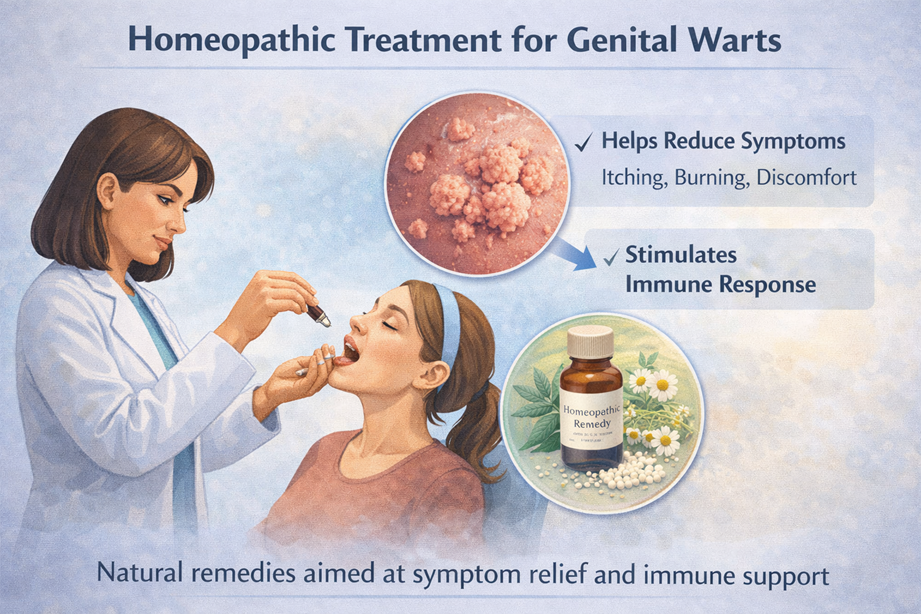
Several homeopathic remedies are frequently considered in the treatment of genital warts, each with distinct indications based on the wart’s appearance and accompanying symptoms. Thuja occidentalis, for example, is a widely recognized homeopathic remedy for genital warts, especially when they are large, cauliflower-like, and may bleed easily. You might also find this remedy beneficial if you experience a burning or itching sensation with the warts. Another homeopathic remedy for genital warts, Nitricum acidum, is often indicated when the warts are jagged, bleed on touch, and are particularly sensitive. This remedy may be considered if you also experience splitting or cracking sensations in the skin around the warts. Antimonium crudum could be a suitable option if your warts are hard, horny, and appear in clusters, often with a tendency to become inflamed. The selection of a homeopathic remedy for genital warts is always individualized, meaning your specific set of symptoms will dictate the best choice. A homeopathic protocol for genital warts might involve a single remedy or a sequence of remedies, depending on your response and the evolution of your symptoms. Your practitioner will guide you through this process, adjusting the remedy and potency as needed to optimize your healing. A detailed homeopathic protocol for genital warts will take into account the patient’s overall health picture, including any concurrent health issues or emotional stressors. The practitioner may also suggest dietary modifications and lifestyle changes to support the healing process. Following the practitioner’s guidance regarding dosage and frequency is imperative for achieving the best possible outcome with homeopathic management.
Conclusion
With these considerations, you now have a comprehensive understanding of genital warts, a common sexually transmitted infection. Strains of the human papillomavirus (HPV), particularly types 6 and 11, cause these growths. They spread mostly through skin-to-skin contact during sexual activity. You recognize the varied presentations of genital warts, which can manifest as small, flesh-colored bumps, clusters resembling cauliflower, or even flat lesions, appearing on or around the genitals, anus, or inner thighs. Recognizing these symptoms early allows for timely intervention and management, which is important for your well-being.
You also understand the array of treatment approaches available, ranging from conventional medical interventions to complementary therapies. Standard medical treatments often involve topical medications, cryotherapy, electrocautery, or surgical excision, each selected based on the wart’s size, location, and your preferences. Homeopathic and natural remedies, such as tea tree oil, apple cider vinegar, or thuja occidentalis, offer alternative options for some individuals, though their efficacy requires careful consideration and consultation with a healthcare professional. You should always discuss any treatment plan with your doctor to ensure it aligns with your specific needs and health profile.
Preventative measures, including vaccination against HPV and consistent use of barrier methods during sexual activity, remain your best defense against genital warts. Regular screenings and open communication with your sexual partners are also vital components of responsible sexual health. Equipped with this knowledge, you can make informed decisions about your health, seek appropriate care, and take proactive steps to minimize your risk of acquiring or transmitting genital warts, contributing to a healthier sexual life for yourself and your partners.
FAQ

Q: What are genital warts and what causes them?
A: Genital warts are small, flesh-colored or grayish growths that appear on the skin of the genital or anal area. The human papillomavirus (HPV) causes these warts. Specific strains of HPV, particularly types 6 and 11, are responsible for the vast majority of genital wart cases. This virus is distinct from the herpes simplex virus, which causes genital herpes. HPV is a common sexually transmitted infection.
Q: How does a person contract genital warts?
A: Genital warts spread through skin-to-skin contact, usually during sexual activity. This includes vaginal, anal, and oral sex. The virus can transmit even if there are no visible warts on an infected partner. Using condoms can reduce the risk of transmission, but they do not offer complete protection since the virus can reside on skin areas not covered by a condom. A person can also contract the virus through non-penetrative sexual contact.
Q: What are the common symptoms of genital warts in men and women?
A: Genital warts can manifest differently in individuals. In men, warts often appear on the penis, scrotum, groin, thighs, or around the anus. Women may develop warts on the vulva, in the vagina, on the cervix, or around the anus. The warts can be raised or flat, small or large, and sometimes resemble tiny cauliflowers. Many people experience no symptoms at all, even with the presence of warts. Some individuals report itching, burning, or discomfort in the affected area. Warts can also bleed during sexual activity.
Q: What treatment approaches are available for genital warts?
A: Several treatment options exist for genital warts, though no treatment eradicates the HPV virus from the body. Treatment focuses on removing the visible warts. Topical medications applied at home include imiquimod, podofilox, and sinecatechins. Healthcare providers can perform in-office procedures such as cryotherapy (freezing the warts), excisional surgery (cutting them off), laser therapy, or electrosurgery. The choice of treatment depends on the size, location, and number of warts, as well as patient preference and previous treatment responses.
Q: Can genital warts be treated with homeopathy?
A: Homeopathy offers a different approach to health conditions, including genital warts. Homeopathic practitioners believe they can stimulate the body’s self-healing mechanisms. A homeopathic protocol for genital warts typically involves an individualized assessment of the patient’s overall health, including their physical and emotional symptoms. Remedies are selected based on this comprehensive evaluation, aiming to address the underlying constitutional factors rather than just the warts themselves. Common homeopathic remedies considered for genital warts might include Thuja occidentalis, Nitric acid, or Causticum, among others, but a qualified homeopath will determine the specific remedy and dosage.
Q: Are there any side effects or considerations when using homeopathic remedies for genital warts?
A: Homeopathic remedies are generally considered safe and have a low risk of side effects when prepared correctly and administered under the guidance of a trained homeopath. These remedies are highly diluted substances. Patients should inform their conventional medical doctors about any homeopathic treatments they are pursuing, especially if they are also undergoing conventional medical care. Homeopathy should not replace conventional medical diagnosis or treatment for genital warts, particularly given the potential link between certain HPV strains and cervical cancer.
Q: Can genital warts reappear after treatment?
A: Genital warts can reappear even after successful treatment. The underlying HPV virus remains in the body, which means new warts can emerge at any time. The recurrence rate varies among individuals and depends on factors such as the individual’s immune system strength and the specific HPV strain involved. Regular check-ups with a healthcare provider are advisable, especially for women, to monitor for any new growths and to ensure cervical health. Vaccination against HPV can prevent infection with the types of HPV that cause most genital warts and some cancers.
Homeopathic Treatment for Genital Warts
It is advisable to seek professional medical assistance if you are diagnosed with genital warts. At Philadelphia Homeopathic Clinic, internationally recognized homeopaths, Dr. Tsan and associates, deliver natural treatment for the main cause of human papillomavirus. Contact our clinic at (267) 403-3085 to schedule the initial homeopathic evaluation.